
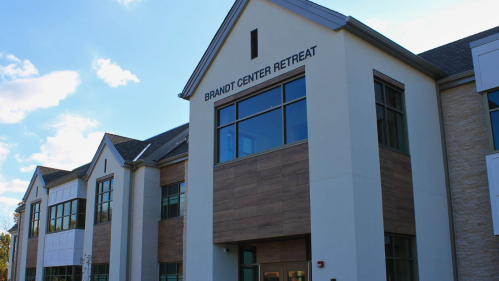
Brandt Center Retreat
The Brandt Center Retreat was established through the vision and generosity of Rutgers alumna Marlene Brandt, whose commitment to improving youth mental health made this state-of-the-art residential treatment center possible. The Center offers a healing environment for adolescents and young adults, ages 16-25, who need round-the-clock support, combining compassionate care with the clinical excellence of Rutgers University Behavioral Health Care.
Personalized Treatment
Every treatment plan at the Brandt Center Retreat is designed around the individual’s unique needs, strengths, and goals. Treatment may include one-on-one therapy sessions that provide space for deeper exploration and healing, as well as group therapy sessions that foster connection, shared understanding, and peer support. Family therapy and family support services are available to strengthen relationships and promote healing beyond the individual.
Medication management is offered when appropriate to support overall mental health and stability.

What We Treat
- Depression and persistent sadness
- Generalized anxiety disorder (GAD)
- Panic disorder
- Social anxiety
- Adjustment disorders

Therapeutic Experiences
Additional experiences are thoughtfully integrated into treatment to encourage expression, regulation, and personal growth beyond traditional talk therapy. Clients may engage in art therapy to explore emotions creatively, music and movement therapy to support emotional and physical connection, and gardening and other nature-based activities that promote grounding, mindfulness, and restoration.

Ready to take the first step?
Please fill out this referral form. The information provided will help our admissions team determine whether our program may be an appropriate fit.
If you are experiencing a mental health crisis, call 988. If you are having a medical emergency, call 911.

Recover and Reset in an Inviting Residential Space
Surrounded by calming, thoughtfully designed spaces, youth can step away from daily stressors and immerse themselves in healing. From private and shared gathering areas to spaces for movement, creativity, and reflection, our environment supports restoration in both body and mind. View our virtual tour.


Meet the Team
Our team meets regularly to coordinate treatment, ensuring that each youth’s therapeutic, medical, and experiential care is aligned and individualized. This collaborative approach allows us to provide comprehensive support while honoring each client’s unique story and strengths.

Hannah Simon, MD, MSEd

Alicia Adams, LCSW

Micah Hillis, DSW, LCSW

Nadica Hegedus, LCSW

Philomena Loescher, LSW

Tyler Soos, LCSW
Frequently Asked Questions
-
A therapeutic retreat provides 24-hour care support in a wellness-focused environment. It’s best suited for individuals who need more intensive help than outpatient therapy can provide.
-
Out-of-home care is recommended when emotional or behavioral challenges significantly interfere with daily life, school, or relationships, and when consistent structure and monitoring are needed for safety or recovery. The Brandt Retreat serves residents ages 16-25.
-
Standard therapeutic treatment is covered by insurance; room, board, and experiential therapies are a separate fee.
-
The Center offers a combination of evidence-based therapies, including cognitive behavioral therapy (CBT), dialectical behavior therapy (DBT), family systems therapy, and experiential approaches such as mindfulness and art therapy.
-
The Retreat Center offers comfortable, modern accommodations for up to 16 residents, fostering a close-knit and supportive community.
-
Family participation is central to our approach. Regular family sessions, progress updates, and educational resources help parents and caregivers stay engaged throughout the treatment journey.
-
A typical week includes a blend of structured therapy sessions, experiential learning, recreational activities, and personal time for reflection and self-care with an anticipated length of stay of approximately 21 days or longer.